
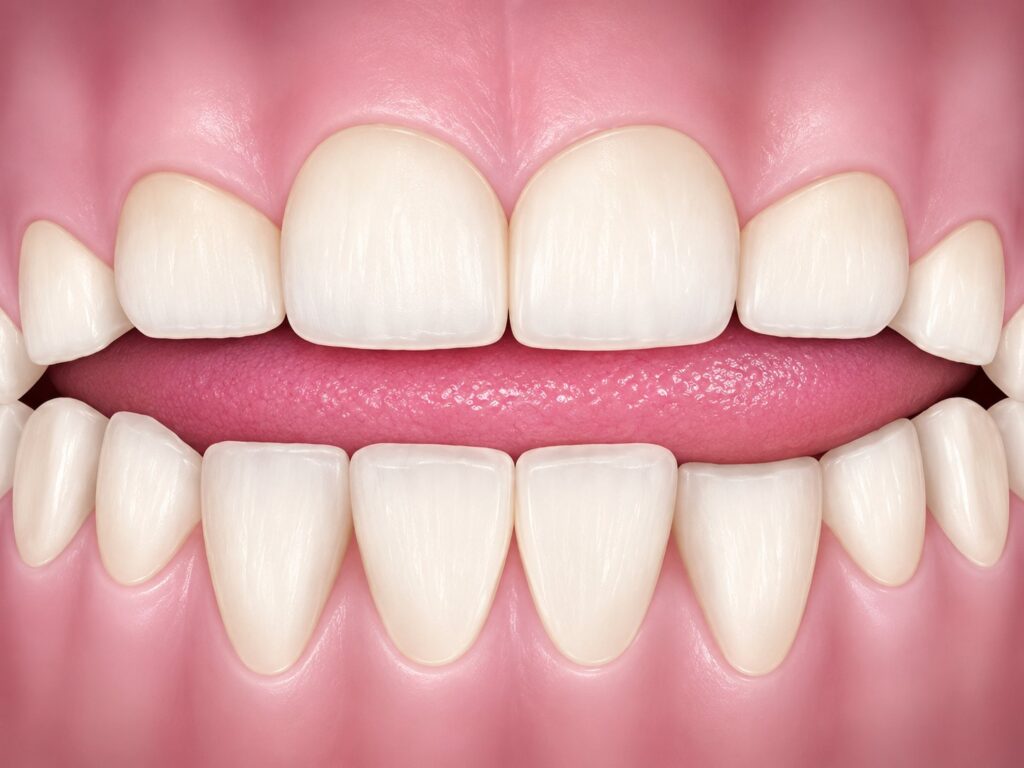
What Is Tongue Thrusting?
Tongue thrusting is a habit where the tongue pushes against or between the teeth during swallowing, speaking, or even at rest. This action can happen in children and adults. Often, tongue thrusting in adults may go unnoticed for years. However, it can affect how teeth line up and how you speak. Because of this, it is important to understand the effects of tongue thrusting and how to manage it.
Common Symptoms of Tongue Thrusting
Many people do not realize they have tongue thrusting. Still, there are some signs you can watch for. For example, you may notice:
Sometimes, these symptoms are mild. But over time, they can lead to dental issues. Therefore, early detection is helpful.
Causes and Risk Factors
Several factors can lead to tongue thrusting. For instance, some people develop this habit in childhood. Others may start later due to changes in their mouth or teeth. Common causes and risk factors include:
Additionally, some adults develop tongue thrusting after dental work or injury. Understanding these causes can help with prevention and treatment.
How Tongue Thrusting Is Diagnosed
Early diagnosis is important. Dentists or orthodontists usually spot tongue thrusting during a regular checkup. They may ask about your swallowing and speech habits. Sometimes, they will watch you swallow or speak. In some cases, they may use X-rays or other tests to check your teeth and jaw. If needed, they might refer you to a speech therapist or another specialist. Because tongue thrusting can affect dental health, early diagnosis helps prevent long-term problems.
Treatment Options for Tongue Thrusting
Treatment depends on your age and the cause of tongue thrusting. For children, early intervention works best. However, adults can also benefit from treatment. Common tongue thrusting treatments include:
Because each person is different, a dental specialist will suggest the best plan for you. With the right care, most people see improvement.
Tips for Prevention and Oral Health
Good oral habits can help prevent tongue thrusting. For example, you can:
Additionally, teaching children about healthy oral habits can reduce the risk of tongue thrusting later in life.
When to See a Dentist or Specialist
If you notice signs of tongue thrusting in yourself or your child, it is wise to seek help. For instance, see a dentist if you have trouble swallowing, speech issues, or changes in your bite. Early treatment can prevent long-term dental problems. Moreover, a specialist can guide you on the best steps to take.
In summary, tongue thrusting can affect both children and adults. But with early care and the right treatment, you can protect your oral health. Consult a dental specialist at Laxmi Dental Hospital for personalized advice on tongue thrusting.