Introduction
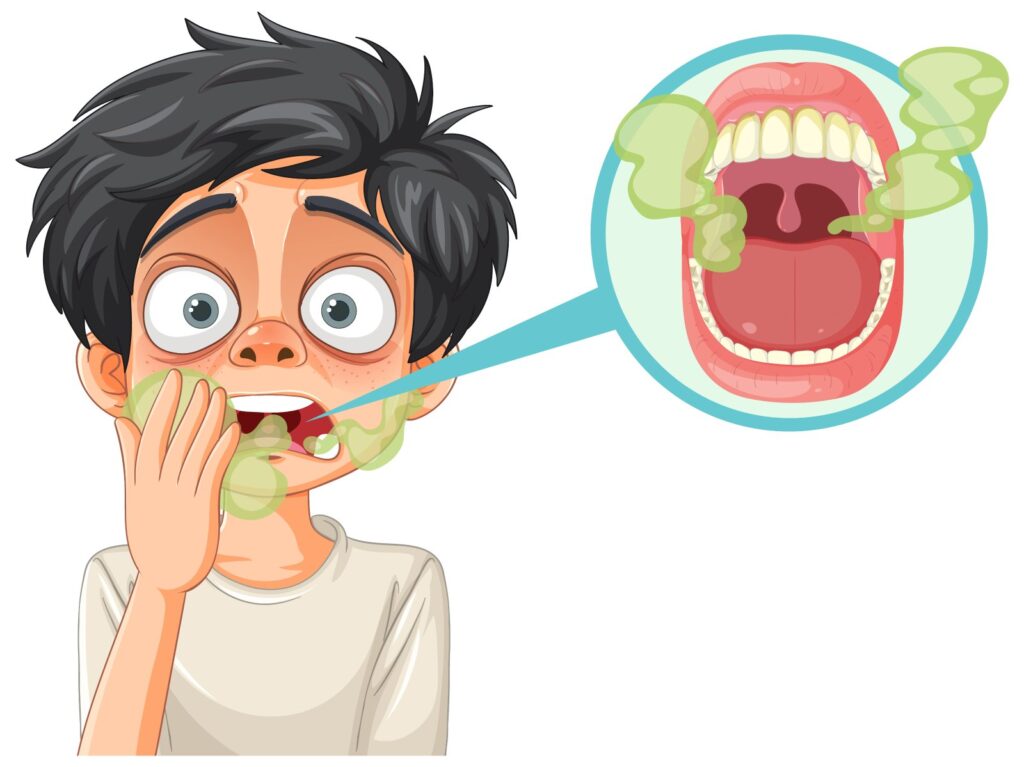
Bad breath, also called halitosis, is a common problem. Many people worry about it every day. While poor brushing can cause bad breath, there are many other reasons too. In fact, understanding the causes of bad breath can help you find the right solution. This blog explores 10 causes of halitosis beyond brushing and offers helpful tips for fresher breath.
What Is Bad Breath (Halitosis)?
Halitosis means having an unpleasant smell from your mouth. Often, it can make people feel embarrassed or worried in social situations. For some, it may even affect self-confidence. However, knowing the causes can help you manage and prevent it. According to the American Dental Association, bad breath affects about 50% of adults at some point.
10 Causes of Bad Breath Beyond Poor Brushing
Dry Mouth
Saliva helps clean your mouth. But when your mouth is dry, bacteria can grow and cause bad breath. Some medicines or sleeping with your mouth open can lead to dry mouth.
Certain Foods
Foods like garlic, onions, and spicy dishes can leave strong smells. These odors may linger even after brushing.
Smoking and Tobacco
Tobacco products dry out your mouth and leave chemicals that cause bad breath. Smoking also increases your risk of gum disease.
Medical Conditions
Some illnesses, such as diabetes, acid reflux, or liver problems, can cause bad breath. These conditions may change the way your breath smells.
Medications
Certain medicines can reduce saliva or release chemicals that cause odor. For example, some allergy or blood pressure drugs may have this effect.
Sinus or Throat Infections
Infections in your nose, sinuses, or throat can cause bad breath. Mucus from these infections can carry bacteria and odors.
Poorly Fitting Dental Appliances
If dentures or braces do not fit well, food can get trapped. This can lead to bacteria growth and bad breath.
Gum Disease
Gum disease, also called periodontitis, can cause strong odors. Bacteria in the gums produce foul-smelling gases.
Crash Diets or Fasting
When you skip meals or follow low-carb diets, your body burns fat for energy. This process releases chemicals that can cause bad breath.
Poor Oral Appliances Cleaning
Not cleaning retainers, mouth guards, or dentures well can let bacteria grow. This can lead to unpleasant smells.
How to Identify and Address Persistent Bad Breath
Sometimes, you may not notice your own bad breath. However, you can ask a trusted friend or family member for feedback. You can also lick your wrist, let it dry, and smell it. If you notice a bad odor, it may be time to act. If bad breath lasts for more than a few days, consider seeing a dentist. A dental professional can check for hidden causes and suggest the best treatment. Early action can prevent bigger problems later.
Prevention and Lifestyle Tips
There are many ways to prevent bad breath beyond just brushing. Here are some simple tips:
Drink plenty of water to keep your mouth moist.
Chew sugar-free gum to boost saliva flow.
Clean your tongue daily with a scraper or brush.
Rinse with an alcohol-free mouthwash.
Avoid foods that cause strong odors, like garlic and onions.
Quit smoking and avoid tobacco products.
Clean dental appliances as directed by your dentist.
Visit your dentist regularly for check-ups and cleanings.
By following these oral health tips, you can lower your risk of halitosis and enjoy fresher breath.
When to See a Dentist or Doctor
Sometimes, bad breath does not go away with home care. You should see a dentist or doctor if you notice:
Bad breath that lasts more than a week
Pain, swelling, or bleeding in your mouth
Loose teeth or gum changes
Dry mouth that does not improve
Other symptoms like fever or sore throat
Early help can prevent serious problems. If you need advice, find a dentist near you or talk to your doctor.
Conclusion
Bad breath can have many causes beyond poor brushing. However, with the right steps, you can manage and prevent it. If you have concerns, consult your dental professional at Laxmi Dental Hospital for personalized advice on halitosis and oral health.