
What Are Dental Braces?
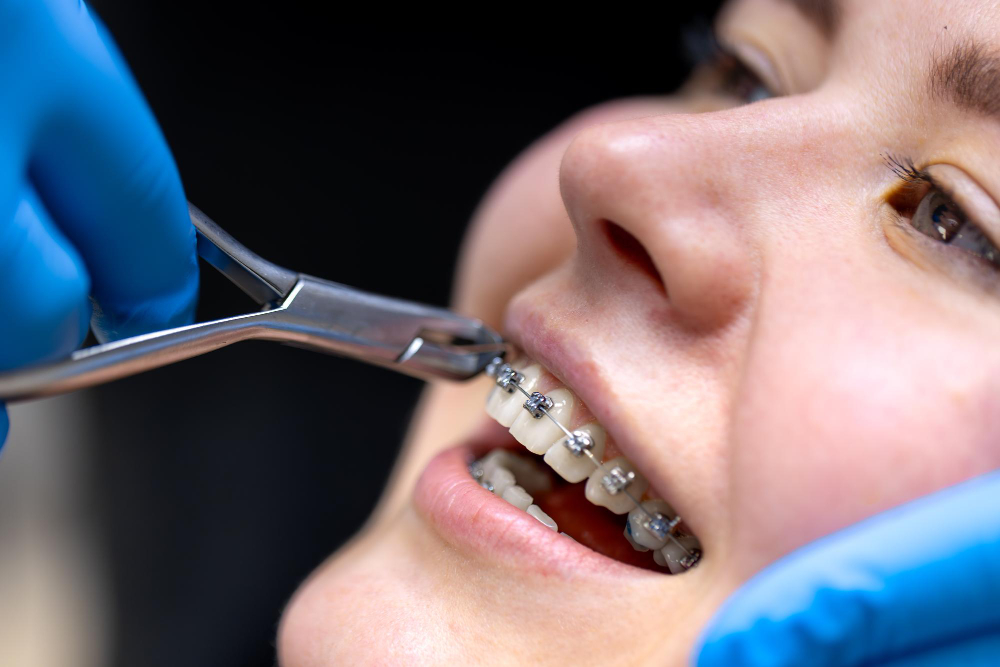
Dental braces are devices that help straighten teeth. They use metal or ceramic brackets and wires. Usually, a dentist or orthodontist attaches them to your teeth. Over time, braces gently move your teeth into better positions. Because they are fixed, you cannot remove them until treatment ends. Braces are common for both kids and adults. According to the American Association of Orthodontists, braces are safe and effective for many dental issues.
What Are Aligners?
Aligners are clear, removable trays that fit over your teeth. For example, brands like Invisalign are popular types of aligners. Unlike braces, you can take aligners out when eating or brushing. However, you must wear them for most of the day, usually 20 to 22 hours. Aligners are almost invisible, so many people like them for their discreet look. Dentists use digital scans to create custom aligners for each person.
Key Differences Between Braces and Aligners
When comparing dental braces vs aligners, several differences stand out. First, braces are fixed to your teeth, while aligners are removable. Second, braces use metal or ceramic parts, but aligners are made of clear plastic. Third, braces may be more noticeable, while aligners are nearly invisible. Additionally, braces can treat complex dental problems, but aligners work best for mild to moderate cases. Finally, braces require regular tightening, while aligners need to be switched every few weeks.
Benefits of Dental Braces
Dental braces offer several advantages. For instance, they can fix severe crowding or bite issues. Braces work well for all ages, including children and adults. Because they are fixed, you do not have to remember to wear them. Also, braces can move teeth in multiple directions at once. Many orthodontists trust braces for complex dental needs. According to the CDC, braces can improve both dental health and appearance.
Benefits of Aligners
Aligners have their own unique benefits. Most importantly, they are almost invisible, so many people feel less self-conscious. Also, you can remove them to eat, drink, or brush your teeth. Because they are smooth, aligners often feel more comfortable than braces. In addition, aligners usually require fewer dental visits. For mild to moderate teeth straightening, aligners are a popular choice.
Who Is a Good Candidate for Each?
Not everyone is suited for both options. Generally, braces are best for people with severe crowding, large gaps, or complex bite issues. Children and teens often use braces, but adults can too. On the other hand, aligners work well for people with mild to moderate alignment problems. Adults and older teens often prefer aligners for their discreet look. However, you must be able to wear aligners as directed for them to work well.
Common Myths About Braces and Aligners
Many myths surround braces and aligners. For example, some people think braces are only for kids. In reality, adults can benefit too. Others believe aligners cannot fix real dental problems. However, aligners can treat many cases, though not all. Some think braces always hurt, but discomfort is usually mild and temporary. Another myth is that aligners work faster, but treatment time depends on your teeth and needs.
What to Expect During Treatment
During treatment, you will visit your dentist or orthodontist regularly. With braces, expect visits every 4 to 8 weeks for adjustments. You may feel some pressure after each visit. For aligners, you will get new trays every few weeks. You should wear aligners for most of the day. Sometimes, you may need small attachments on your teeth to help aligners work better. Both options require good oral care and regular check-ups.
Oral Care Tips While Using Braces or Aligners
Good oral care is important during treatment. With braces, brush and floss carefully around wires and brackets. Use a soft toothbrush and fluoride toothpaste. For aligners, remove them before eating or drinking anything but water. Brush your teeth before putting aligners back in. Clean aligners daily with gentle soap and water. Visit your dentist for regular cleanings and check-ups.
Potential Risks and Side Effects
Both braces and aligners have some risks. For braces, you may get mouth sores or gum irritation. Sometimes, brackets or wires can break. With aligners, you might feel pressure or mild discomfort. If you do not wear aligners as directed, treatment may not work. Both options can increase your risk of cavities if you do not keep your teeth clean. According to the CDC, regular dental visits help prevent most problems.
Cost Considerations
Cost is a key factor for many people. Braces and aligners can both be expensive. In many cases, braces cost less than aligners, especially metal types. However, prices vary based on your needs and location. Some dental insurance plans cover part of the cost. It is important to ask your dentist about payment plans or insurance options. Always compare the total cost, including check-ups and follow-up care.