Full mouth rehab is a dental treatment that restores or replaces all teeth in your mouth. Many people need full mouth rehab if they have severe dental problems. For example, those with worn, broken, or missing teeth may benefit. This process can improve your smile, chewing, and overall oral health. In this blog, you will learn what full mouth rehab is, who needs it, and what to expect from the treatment.
What Is Full Mouth Rehab?
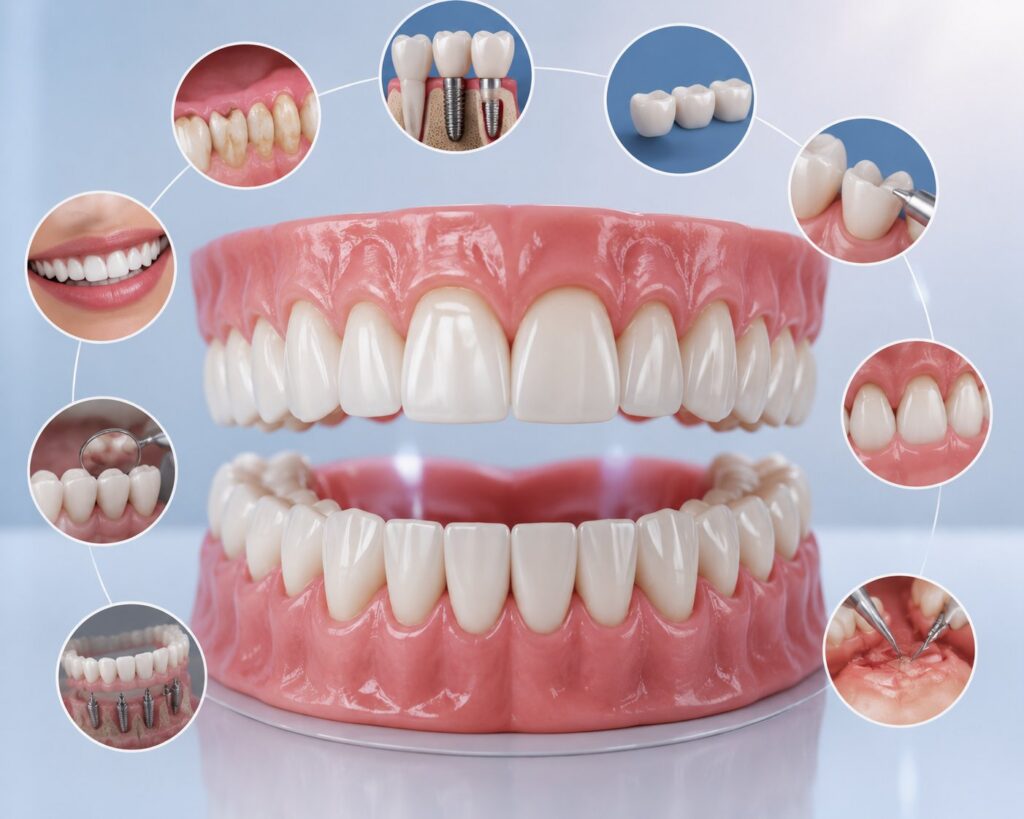
Full mouth rehab, also called full mouth reconstruction, is a set of dental procedures. It aims to rebuild or restore all teeth in both the upper and lower jaws. Often, dentists use crowns, bridges, veneers, or implants during this process. Because each person’s needs are different, the treatment plan is unique for everyone. In many cases, full mouth rehab helps people regain their confidence and oral function.
Who Needs Full Mouth Rehab?
Not everyone needs full mouth rehab. However, some people may benefit more than others. For instance, you may need this treatment if you have:
Additionally, people with genetic conditions that affect teeth may also need full mouth rehab. If you have trouble eating or speaking because of your teeth, this treatment could help.
Common Causes Leading to Full Mouth Rehab
Several reasons can lead someone to need full mouth rehab. For example, long-term tooth decay or gum disease can damage many teeth. Sometimes, teeth wear down from grinding or clenching. In other cases, accidents or injuries may break or knock out teeth. Also, some people have birth defects that affect their teeth and gums. Because these problems can affect your health and confidence, full mouth rehab may be the best solution.
Diagnosis and Assessment Process
First, your dentist will do a full exam of your mouth. They may take X-rays, photos, and dental impressions. Next, your dentist will check your teeth, gums, jaw, and bite. Sometimes, they may use digital scans for a better view. After gathering all the information, your dentist will create a custom treatment plan. This plan will address your unique dental needs and goals. According to the American Dental Association, a thorough assessment is key for successful results.
Treatment Options in Full Mouth Rehab
There are many treatment options in full mouth rehab. Your dentist will choose the best ones for you. Common treatments include:
Because every mouth is different, your treatment may include one or more of these options.
Benefits of Full Mouth Rehab
Full mouth rehab offers many benefits. For example, it can:
According to the World Health Organization, good oral health is linked to better general health. Therefore, full mouth rehab can improve your quality of life.
What to Expect During and After Treatment
First, your dentist will explain each step of your treatment plan. Some procedures may take several visits. During treatment, you may get local anesthesia to keep you comfortable. After each step, your dentist will check your progress. You may feel some soreness or swelling, but this usually goes away quickly. Once treatment is complete, you will notice a big change in your smile and comfort. Because healing takes time, your dentist will guide you through recovery.
Tips for Recovery and Oral Care
After full mouth rehab, caring for your teeth is very important. Here are some tips to help you recover and keep your mouth healthy:
Because good care helps your new dental work last longer, follow your dentist’s advice closely.
Prevention and Long-Term Maintenance
To keep your mouth healthy after full mouth rehab, you need to practice good habits. For example, brush and floss every day. Also, visit your dentist for regular check-ups and cleanings. Avoid hard or sticky foods that can damage your dental work. If you grind your teeth, ask your dentist about a night guard. With proper care, your results can last for many years.
In summary, full mouth rehab can change your life by restoring your smile and oral health. If you think you may need this treatment, consult a dental specialist at Laxmi Dental Hospital to see if full mouth rehab is right for you.