
Introduction
Pit and fissure sealants are thin coatings placed on the chewing surfaces of teeth. They help protect teeth from decay, especially in children and teens. Because tooth decay often starts in the grooves of back teeth, sealants play an important role in dental care. In this blog, you will learn what pit and fissure sealants are, how they work, and why they matter for your family’s oral health.
What Are Pit and Fissure Sealants?
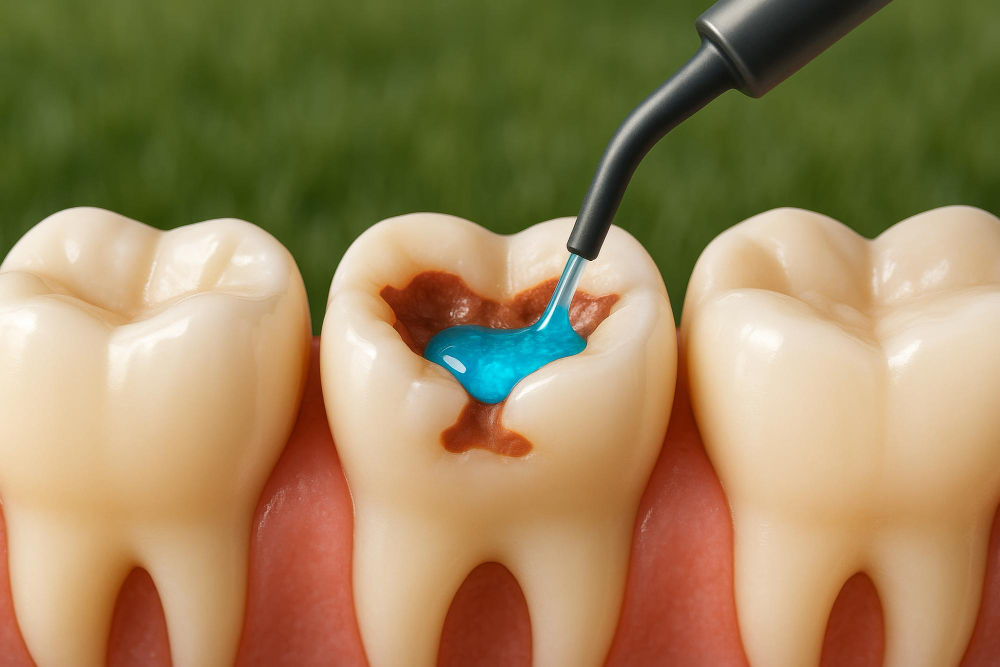
Pit and fissure sealants are special dental materials. Dentists use them to cover the deep grooves and pits found on the chewing surfaces of back teeth. These grooves can be hard to clean, even with regular brushing. As a result, food and bacteria can get trapped, leading to cavities. However, sealants act as a barrier, keeping out germs and food particles. Most often, dentists use sealants on molars and premolars.
How Do Sealants Prevent Tooth Decay?
Sealants work by covering the tiny grooves and pits on the teeth. Because these areas are smooth after sealing, it becomes much harder for food and bacteria to stick. As a result, the risk of cavities drops. According to the Centers for Disease Control and Prevention (CDC), dental sealants can reduce the risk of decay in molars by up to 80%. Therefore, sealants are a simple but powerful way to protect teeth, especially for children who may not brush well yet.
Who Should Get Sealants?
While anyone can benefit from sealants, some groups need them more. For example, children and teenagers are most at risk for cavities in their back teeth. However, adults without fillings or decay in their molars can also get sealants. Dentists often recommend sealants for:
In addition, people with a history of cavities may benefit from sealants. Ask your dentist if sealants are right for you or your child.
The Application Procedure (Step-by-Step)
Getting pit and fissure sealants is quick and painless. Here is what you can expect during the procedure:
The whole process usually takes only a few minutes per tooth. Most people feel no pain or discomfort during the procedure.
Benefits and Effectiveness
Pit and fissure sealants offer many benefits. For instance, they provide a strong shield against cavities. In addition, they are safe, quick, and cost-effective. Here are some key benefits:
Because sealants are so effective, the World Health Organization (WHO) and CDC recommend them for children and teens.
Safety and Potential Risks
Dental sealants are very safe for most people. The materials used have been tested and approved by dental experts. However, a few people may have mild reactions, such as a slight taste or feeling in the mouth after application. Rarely, an allergic reaction may occur. If you have concerns, talk to your dentist before getting sealants. Overall, the benefits of preventing cavities far outweigh the small risks.
Aftercare Tips
After getting pit and fissure sealants, caring for your teeth is still important. Here are some tips to keep your sealants working well:
With good care, sealants can last several years before needing repair or replacement.
Frequently Asked Questions
Conclusion
Pit and fissure sealants are a safe, simple, and effective way to prevent tooth decay. Because they protect the deep grooves in your teeth, they help keep your smile healthy for years. Consult your dentist at Laxmi Dental Hospital to see if pit and fissure sealants are right for you.